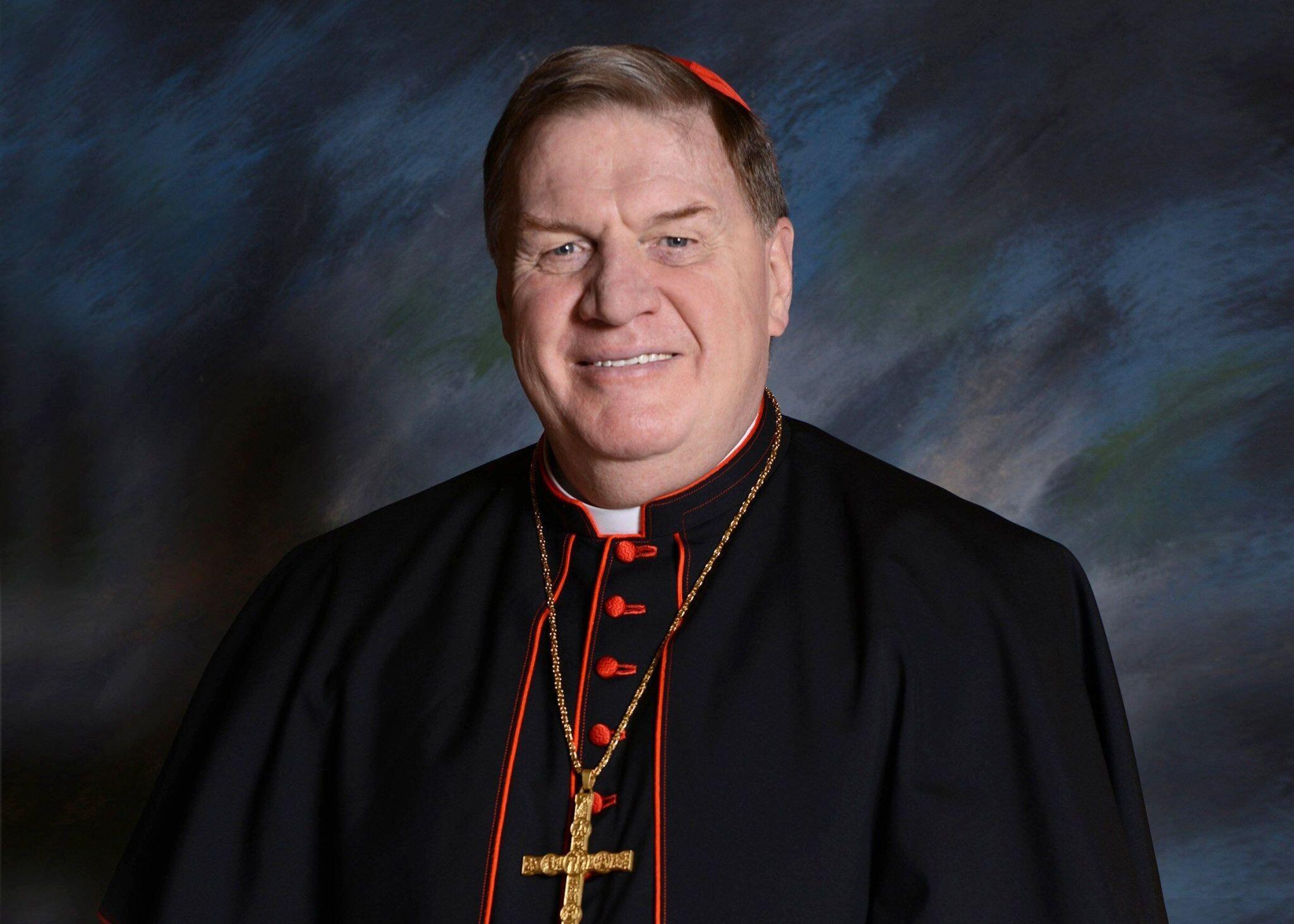
Cardinal Tobin: True beauty lies in revealing the signs of love
The glorification of Mary, body and soul, teaches us that our true beauty does not lie in hiding the signs of aging, but in revealing the signs of love that never end, and are even impressed on our flesh (cf. 1 Cor 13:8). (Pope Leo XIV)
My dear sisters and brothers in Christ,
Two weeks ago, on the Solemnity of the Assumption of the Blessed Virgin Mary, Pope Leo XIV offered reflections on the meaning of beauty. We have been conditioned to equate beauty with youth and, conversely, to regard aging as a form of aesthetic degradation. As Pope Leo observes, “As we age, our bodies do not become more agile, but heavier; our skin does not become fresher, but shows the signs of old age; our hair does not gain color and luster, but turns gray and then white.”
The Assumption of Mary into heaven challenges our understanding of what true beauty means. Most works of art depict Mary at the moment of her Assumption as a beautiful young woman, physically rising from the earth toward the heavens at the end of her earthly life. This contrasts with what we would naturally expect of the mother of Jesus, who, by the time her years on earth were over, had experienced severe hardships and is known among many other attributes as “the Mother of Sorrows.” Surely, even if her passing was at a relatively young age by our standards, Mary must have developed some of the typical lines and wrinkles of older people.
At the end of her life on earth, Mary’s beauty was not merely cosmetic. It reflected her holiness, strength of character, humility, and total dedication to her Son and to the will of God. These characteristics are difficult to illustrate in painting or sculpture, so most artists depict Mary’s beauty as timeless. As Pope Leo says, Mary is seen as “a woman clothed with the sun, with the moon under her feet” (Rev 12:1), signifying that in Mary’s heart, heaven and earth, time and eternity, meet. Mary’s beauty reflects her personal participation in the timeless love and goodness of God.
We Catholics believe that God freely chose to enter the world through Mary’s free consent. At the Annunciation, she accepted God’s will and became the mother of the Messiah. The early Church therefore viewed her as the New Eve: whereas Eve’s disobedience is associated with humanity’s fall, Mary’s humility and obedience signify her cooperation with God’s redemptive plan.
Mary does not compete with Christ’s saving work in any way. Her role is entirely dependent on the grace she receives from God and on the unique saving work of her Son. Just as the moon reflects the brilliance of the sun, Mary shines with the reflected light of Christ (lumen Christi).
Continue reading Cardinal Tobin’s latest newsletter.